Use case
Select a specific patrol or inspection task, measurable coverage, terrain and weather limits before choosing a platform.

Assess mobile robotic platforms for specific inspection or patrol use cases.
Greater Denver and the Front Range
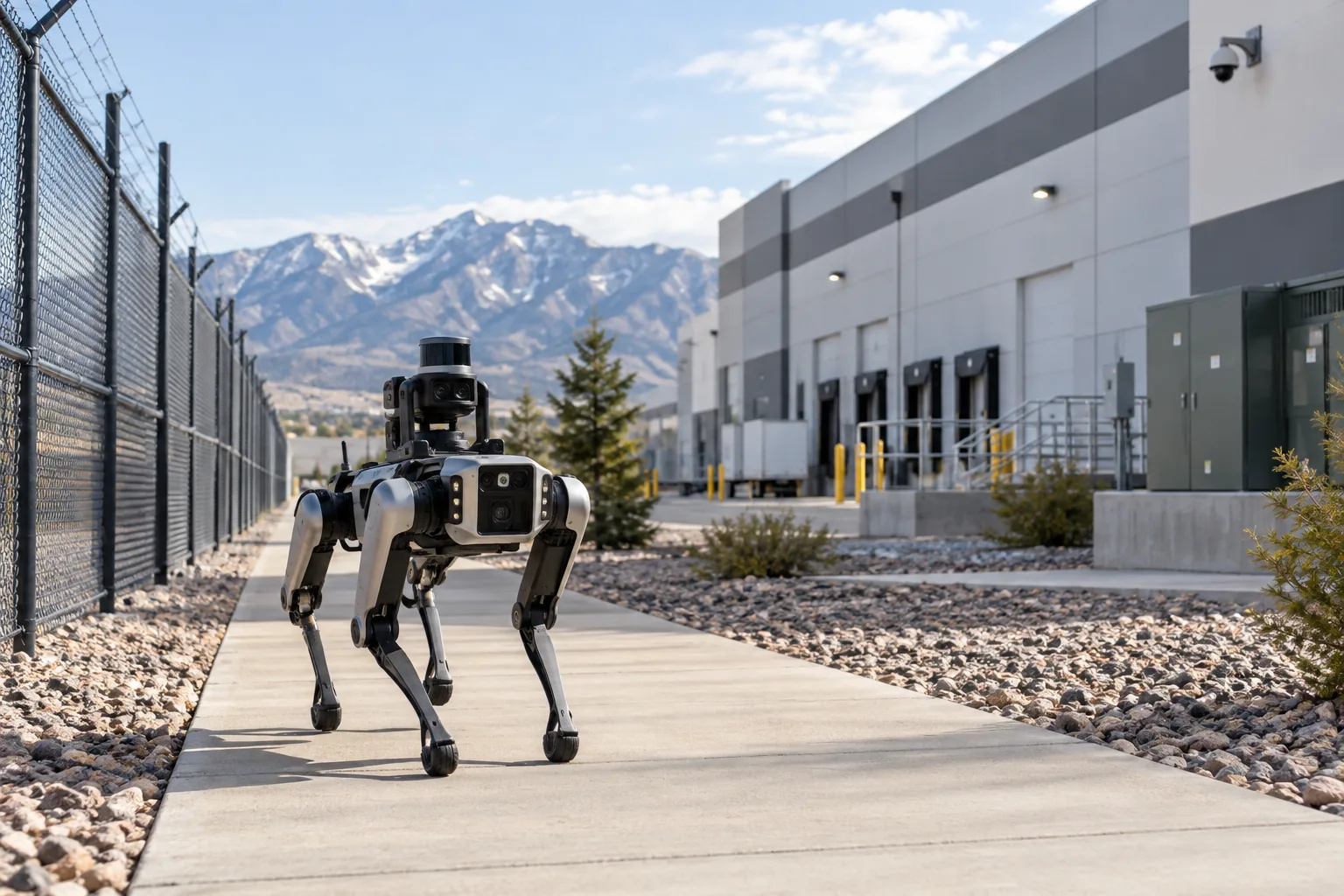
Products, interfaces and exact scope are confirmed after reviewing the facility.
Robot deployment depends on site safety, weather, connectivity and operator oversight. A pilot should establish measurable use cases before scale-up.
Pilot a defined patrol route with clear exceptions, obstacle and pedestrian safety rules, charging arrangements and a human operator. Decide what specific observation justifies a dispatch or closer investigation.
Maintain routes, battery and device health, response procedures and human escalation.
We confirm existing conditions and customer responsibilities before finalizing products, interfaces, tests and the documentation needed to support the installed system.
A useful design connects components, people, failure conditions and a testable handoff.
Select a specific patrol or inspection task, measurable coverage, terrain and weather limits before choosing a platform.
Set routes, pedestrian safety, remote supervision, charging, communication and what an operator does when the robot stops.
Define how an observation becomes a video clip, ticket or dispatch and how permissions and evidence are managed.
Run a contained trial with acceptance criteria and record downtime, false alerts and site exceptions before expansion.
Five possible applications to explore during discovery. These describe capabilities and design scenarios, not completed customer projects.
Evaluate an autonomous patrol route in a large parking structure.
Define how the robot alerts a human operator and how that event is verified.
Check elevators, doors, slopes and charging locations before proposing a route.
Set privacy, accessibility and pedestrian interaction rules for an occupied site.
Run a limited pilot with documented uptime and exception handling.
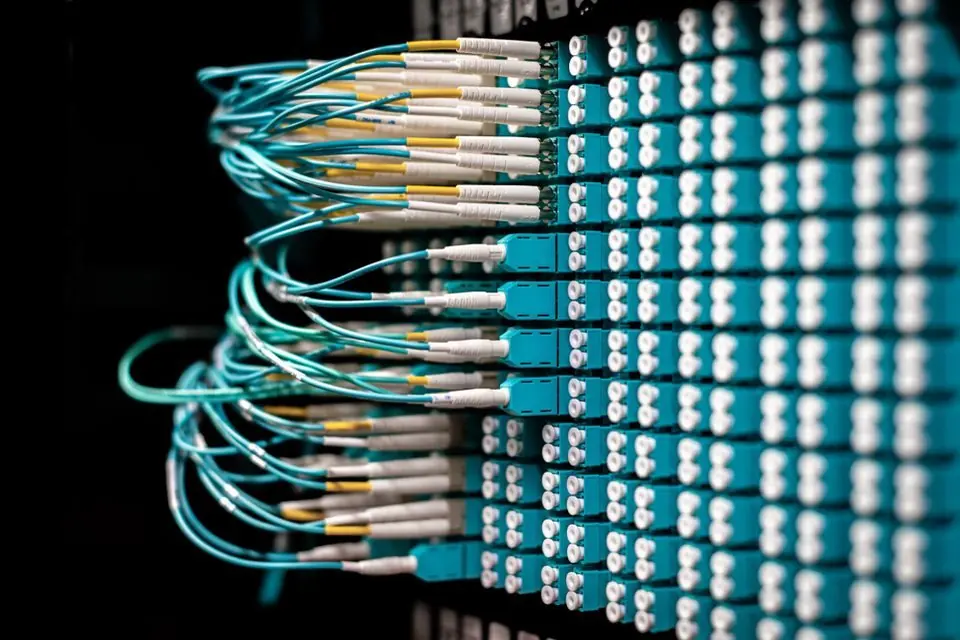
Representative equipment and working environments relevant to the scope.


Our pre-site safety review, field documentation and customer acceptance process help keep the installed condition visible to the people who will operate and maintain it. For security robotics, the closeout conversation should include: Run a contained trial with acceptance criteria and record downtime, false alerts and site exceptions before expansion.
We ask for the existing drawings, device inventory, network and power ownership, known deficiencies and the people who will use the system. The final scope and acceptance criteria follow those answers.
| Decision | What to confirm |
|---|---|
| Scope | Confirm the devices, areas and operating modes included in the work; record exclusions. |
| Dependencies | Pilot a defined patrol route with clear exceptions, obstacle and pedestrian safety rules, charging arrangements and a human operator. Decide what specific observation justifies a dispatch or closer investigation. |
| Handoff evidence | Run a contained trial with acceptance criteria and record downtime, false alerts and site exceptions before expansion. |
Have a building in Colorado? 1st Key stands ready and able to help. Tell us the location and what needs attention; we will confirm service availability and scope.
Describe the facility, the existing equipment and the outcome you need. We can discuss design, deployment or service.