Every event changes the mix of staff, vendors and access rights.
THE RESPONSEUse event-specific groups and credentials with automatic expiry.
THE PRACTICAL VALUEVenue teams spend less time cleaning up permissions after the crowd leaves.

Venue technology must support everyday staff use and rapid changes during an event.
Greater Denver and the Front Range
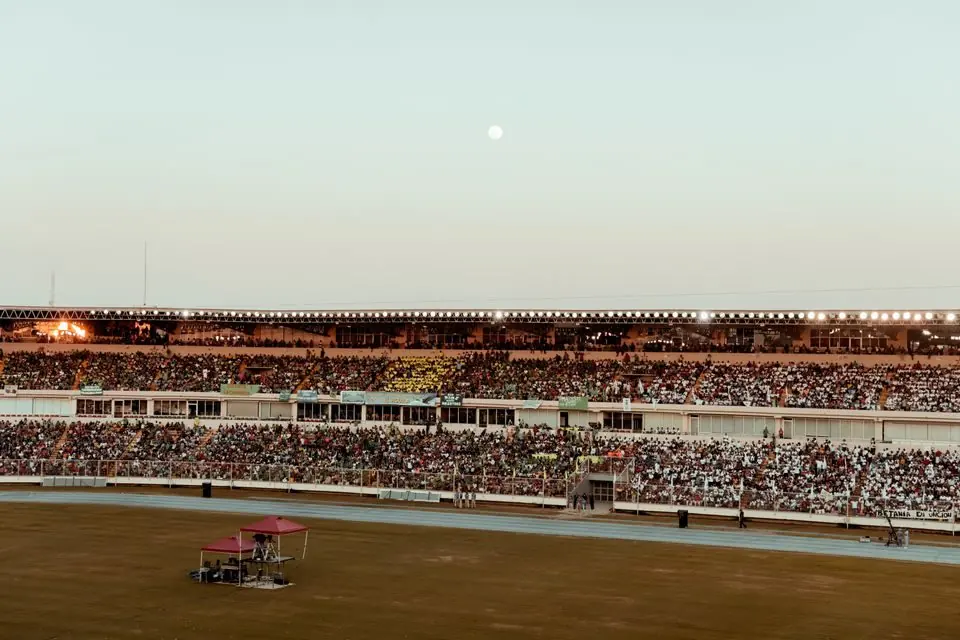
System scope follows the facility’s operating needs and assessment.
System choices should start with the occupants, access patterns, daily operations and the team responsible for responding to an alert. The scope then connects those requirements to practical equipment, documentation and service.
These examples are design opportunities to validate with each facility, not promised results from a specific project.
Use event-specific groups and credentials with automatic expiry.
THE PRACTICAL VALUEVenue teams spend less time cleaning up permissions after the crowd leaves.
Place relevant camera views and operator workflows around entries, concourses and exits.
THE PRACTICAL VALUEOperations can choose responses using a clearer picture of the space.
Coordinate AV, paging and emergency communications with priority rules.
THE PRACTICAL VALUEApproved operators can deliver the correct message to the correct zone.
The right mix depends on the site assessment and its existing systems.
COLORADO APPLICATION SCENARIOS
These are modeled planning scenarios written in retrospective form to show how a complex project could have been approached and accepted. They are not completed 1st Key customer projects or measured outcomes. The cities, building sizes and results are hypothetical; actual scope and performance depend on the facility.
In this modeled Denver scenario, a 180,000-square-foot sports & entertainment facility had reached a decision point: the design team had to settle device locations, power, pathways and system ownership before finishes closed. Staff, performers, vendors and crowds changed by event and venue configuration. The owner had to keep ordinary operations moving while determining which portions of the installed environment were trustworthy. A change after close-in would have affected other trades, schedule and cost, so the acceptance method had to be agreed before procurement.
The operational problem was specific: event crew credentials remain active after the show closes. Show schedules and high traffic left little tolerance for unclear overrides. Staff could not reliably tell whether a missed event came from a field device, a network path, an outdated rule or an incomplete handoff. The owner also lacked a single acceptance record that connected the symptom to a test, the person responsible and a closeout decision.
The modeled goal was to manage staff, vendor and event-crew credentials by show date without creating a second, disconnected operating burden. The proposed 1st Key team had mapped users, hours, legacy equipment and dependencies with property, security and IT contacts. The opening-level review covered the credential rule, door hardware, power, egress, held or forced events and what an operator would see when a test failed. The design had staged an owner-approved work window, a test plan for normal and failure conditions, and a named person to resolve exceptions before the next phase.
In the modeled result, a more predictable event-day operating sequence. The acceptance test had been defined around this observable result: a show-specific profile works during load-in and event hours and expires after the approved breakdown window. The closeout package would have included the event profile, priority-message rehearsal and post-event exception log, a list of unresolved conditions with owners and dates, and training for the person who would administer or respond to the system. This described impact is a planning illustration, not a measured result from a completed 1st Key customer project.
In this modeled Aurora scenario, a 420,000-square-foot sports & entertainment facility had reached a decision point: the occupied building had legacy hardware, incomplete records and users who could not simply be shut out during the migration. Staff, performers, vendors and crowds changed by event and venue configuration. The owner had to keep ordinary operations moving while determining which portions of the installed environment were trustworthy. The team needed a baseline, phased work windows and an explicit rollback point before any cutover.
The operational problem was specific: peak arrivals create queue blind spots that are absent during an empty-building survey. Show schedules and high traffic left little tolerance for unclear overrides. Staff could not reliably tell whether a missed event came from a field device, a network path, an outdated rule or an incomplete handoff. The owner also lacked a single acceptance record that connected the symptom to a test, the person responsible and a closeout decision.
The modeled goal was to review queue and entry cameras during peak arrival without creating a second, disconnected operating burden. The proposed 1st Key team had mapped users, hours, legacy equipment and dependencies with property, security and IT contacts. The opening-level review covered the credential rule, door hardware, power, egress, held or forced events and what an operator would see when a test failed. The design had staged an owner-approved work window, a test plan for normal and failure conditions, and a named person to resolve exceptions before the next phase.
In the modeled result, a more predictable event-day operating sequence. The acceptance test had been defined around this observable result: a representative queue walkthrough verifies agreed entry views and operator observation points. The closeout package would have included the event profile, priority-message rehearsal and post-event exception log, a list of unresolved conditions with owners and dates, and training for the person who would administer or respond to the system. This described impact is a planning illustration, not a measured result from a completed 1st Key customer project.
In this modeled Colorado Springs scenario, a 85,000-square-foot sports & entertainment facility had reached a decision point: the owner had an installed system that still served part of the property, but the new area changed capacity, licensing or administration. Staff, performers, vendors and crowds changed by event and venue configuration. The owner had to keep ordinary operations moving while determining which portions of the installed environment were trustworthy. A successful addition depended on checking compatibility and avoiding a new isolated workflow.
The operational problem was specific: temporary workers can reach backstage or cash-handling areas outside their role. Show schedules and high traffic left little tolerance for unclear overrides. Staff could not reliably tell whether a missed event came from a field device, a network path, an outdated rule or an incomplete handoff. The owner also lacked a single acceptance record that connected the symptom to a test, the person responsible and a closeout decision.
The modeled goal was to separate backstage, public and cash-handling access without creating a second, disconnected operating burden. The proposed 1st Key team had mapped users, hours, legacy equipment and dependencies with property, security and IT contacts. The opening-level review covered the credential rule, door hardware, power, egress, held or forced events and what an operator would see when a test failed. The design had staged an owner-approved work window, a test plan for normal and failure conditions, and a named person to resolve exceptions before the next phase.
In the modeled result, a more predictable event-day operating sequence. The acceptance test had been defined around this observable result: event profiles demonstrate the approved public, backstage and restricted-room boundaries. The closeout package would have included the event profile, priority-message rehearsal and post-event exception log, a list of unresolved conditions with owners and dates, and training for the person who would administer or respond to the system. This described impact is a planning illustration, not a measured result from a completed 1st Key customer project.
In this modeled Fort Collins scenario, a 125,000-square-foot sports & entertainment facility had reached a decision point: the owner had to separate recoverable assets from undocumented settings, unsupported products and access held by the previous provider. Staff, performers, vendors and crowds changed by event and venue configuration. The owner had to keep ordinary operations moving while determining which portions of the installed environment were trustworthy. A takeover would have required administrator transfer, a tested baseline and a clear list of inherited deficiencies.
The operational problem was specific: touring equipment and permanent venue AV use incompatible expectations or connections. Show schedules and high traffic left little tolerance for unclear overrides. Staff could not reliably tell whether a missed event came from a field device, a network path, an outdated rule or an incomplete handoff. The owner also lacked a single acceptance record that connected the symptom to a test, the person responsible and a closeout decision.
The modeled goal was to coordinate event AV with venue operators and touring crews without creating a second, disconnected operating burden. The proposed 1st Key team had mapped users, hours, legacy equipment and dependencies with property, security and IT contacts. The communications review checked zones, audibility or intelligibility, source priority, operator controls and recovery from an incorrect setting. The design had staged an owner-approved work window, a test plan for normal and failure conditions, and a named person to resolve exceptions before the next phase.
In the modeled result, a more predictable event-day operating sequence. The acceptance test had been defined around this observable result: a pre-event rehearsal verifies agreed signal paths, controls and responsibility for visiting equipment. The closeout package would have included the event profile, priority-message rehearsal and post-event exception log, a list of unresolved conditions with owners and dates, and training for the person who would administer or respond to the system. This described impact is a planning illustration, not a measured result from a completed 1st Key customer project.
In this modeled Lakewood scenario, a 600,000-square-foot sports & entertainment facility had reached a decision point: the design team had to settle device locations, power, pathways and system ownership before finishes closed. Staff, performers, vendors and crowds changed by event and venue configuration. The owner had to keep ordinary operations moving while determining which portions of the installed environment were trustworthy. A change after close-in would have affected other trades, schedule and cost, so the acceptance method had to be agreed before procurement.
The operational problem was specific: emergency messaging is inconsistent across suites, concourses and exterior gathering areas. Show schedules and high traffic left little tolerance for unclear overrides. Staff could not reliably tell whether a missed event came from a field device, a network path, an outdated rule or an incomplete handoff. The owner also lacked a single acceptance record that connected the symptom to a test, the person responsible and a closeout decision.
The modeled goal was to define emergency messages for concourses, suites and outdoor areas without creating a second, disconnected operating burden. The proposed 1st Key team had mapped users, hours, legacy equipment and dependencies with property, security and IT contacts. The opening-level review covered the credential rule, door hardware, power, egress, held or forced events and what an operator would see when a test failed. The design had staged an owner-approved work window, a test plan for normal and failure conditions, and a named person to resolve exceptions before the next phase.
In the modeled result, a more predictable event-day operating sequence. The acceptance test had been defined around this observable result: an approved exercise confirms message destinations and records any location needing an alternate method. The closeout package would have included the event profile, priority-message rehearsal and post-event exception log, a list of unresolved conditions with owners and dates, and training for the person who would administer or respond to the system. This described impact is a planning illustration, not a measured result from a completed 1st Key customer project.
In this modeled Thornton scenario, a 240,000-square-foot sports & entertainment facility had reached a decision point: the occupied building had legacy hardware, incomplete records and users who could not simply be shut out during the migration. Staff, performers, vendors and crowds changed by event and venue configuration. The owner had to keep ordinary operations moving while determining which portions of the installed environment were trustworthy. The team needed a baseline, phased work windows and an explicit rollback point before any cutover.
The operational problem was specific: parking incidents cannot be connected to an entry decision or lane event. Show schedules and high traffic left little tolerance for unclear overrides. Staff could not reliably tell whether a missed event came from a field device, a network path, an outdated rule or an incomplete handoff. The owner also lacked a single acceptance record that connected the symptom to a test, the person responsible and a closeout decision.
The modeled goal was to set a parking-garage incident and vehicle-entry workflow without creating a second, disconnected operating burden. The proposed 1st Key team had mapped users, hours, legacy equipment and dependencies with property, security and IT contacts. The opening-level review covered the credential rule, door hardware, power, egress, held or forced events and what an operator would see when a test failed. The design had staged an owner-approved work window, a test plan for normal and failure conditions, and a named person to resolve exceptions before the next phase.
In the modeled result, a more predictable event-day operating sequence. The acceptance test had been defined around this observable result: a staged vehicle event verifies the approved entry, recording and escalation workflow. The closeout package would have included the event profile, priority-message rehearsal and post-event exception log, a list of unresolved conditions with owners and dates, and training for the person who would administer or respond to the system. This described impact is a planning illustration, not a measured result from a completed 1st Key customer project.
In this modeled Arvada scenario, a 95,000-square-foot sports & entertainment facility had reached a decision point: the owner had an installed system that still served part of the property, but the new area changed capacity, licensing or administration. Staff, performers, vendors and crowds changed by event and venue configuration. The owner had to keep ordinary operations moving while determining which portions of the installed environment were trustworthy. A successful addition depended on checking compatibility and avoiding a new isolated workflow.
The operational problem was specific: show lighting leaves important camera views overexposed or unusably dark. Show schedules and high traffic left little tolerance for unclear overrides. Staff could not reliably tell whether a missed event came from a field device, a network path, an outdated rule or an incomplete handoff. The owner also lacked a single acceptance record that connected the symptom to a test, the person responsible and a closeout decision.
The modeled goal was to check camera views under changing show lighting without creating a second, disconnected operating burden. The proposed 1st Key team had mapped users, hours, legacy equipment and dependencies with property, security and IT contacts. The view review checked subject size, day and night lighting, clock alignment, storage and whether an authorized user could retrieve the needed recording. The design had staged an owner-approved work window, a test plan for normal and failure conditions, and a named person to resolve exceptions before the next phase.
In the modeled result, a more predictable event-day operating sequence. The acceptance test had been defined around this observable result: a rehearsal checks views under the agreed lighting scenes and documents limitations. The closeout package would have included the event profile, priority-message rehearsal and post-event exception log, a list of unresolved conditions with owners and dates, and training for the person who would administer or respond to the system. This described impact is a planning illustration, not a measured result from a completed 1st Key customer project.
In this modeled Westminster scenario, a 320,000-square-foot sports & entertainment facility had reached a decision point: the owner had to separate recoverable assets from undocumented settings, unsupported products and access held by the previous provider. Staff, performers, vendors and crowds changed by event and venue configuration. The owner had to keep ordinary operations moving while determining which portions of the installed environment were trustworthy. A takeover would have required administrator transfer, a tested baseline and a clear list of inherited deficiencies.
The operational problem was specific: operations pages are audible to the audience or missed by the intended team. Show schedules and high traffic left little tolerance for unclear overrides. Staff could not reliably tell whether a missed event came from a field device, a network path, an outdated rule or an incomplete handoff. The owner also lacked a single acceptance record that connected the symptom to a test, the person responsible and a closeout decision.
The modeled goal was to provide clear paging to operations without interrupting a performance without creating a second, disconnected operating burden. The proposed 1st Key team had mapped users, hours, legacy equipment and dependencies with property, security and IT contacts. The communications review checked zones, audibility or intelligibility, source priority, operator controls and recovery from an incorrect setting. The design had staged an owner-approved work window, a test plan for normal and failure conditions, and a named person to resolve exceptions before the next phase.
In the modeled result, a more predictable event-day operating sequence. The acceptance test had been defined around this observable result: a zone test verifies the staff-only destination and applicable message priority. The closeout package would have included the event profile, priority-message rehearsal and post-event exception log, a list of unresolved conditions with owners and dates, and training for the person who would administer or respond to the system. This described impact is a planning illustration, not a measured result from a completed 1st Key customer project.
In this modeled Pueblo scenario, a 65,000-square-foot sports & entertainment facility had reached a decision point: the design team had to settle device locations, power, pathways and system ownership before finishes closed. Staff, performers, vendors and crowds changed by event and venue configuration. The owner had to keep ordinary operations moving while determining which portions of the installed environment were trustworthy. A change after close-in would have affected other trades, schedule and cost, so the acceptance method had to be agreed before procurement.
The operational problem was specific: several event teams assume another person is responding to the same alert. Show schedules and high traffic left little tolerance for unclear overrides. Staff could not reliably tell whether a missed event came from a field device, a network path, an outdated rule or an incomplete handoff. The owner also lacked a single acceptance record that connected the symptom to a test, the person responsible and a closeout decision.
The modeled goal was to document who can act on an alert during an event without creating a second, disconnected operating burden. The proposed 1st Key team had mapped users, hours, legacy equipment and dependencies with property, security and IT contacts. The technical review checked power, network, location, operator permissions, failure behavior and who would support the resulting system. The design had staged an owner-approved work window, a test plan for normal and failure conditions, and a named person to resolve exceptions before the next phase.
In the modeled result, a more predictable event-day operating sequence. The acceptance test had been defined around this observable result: a tabletop exercise identifies who verifies, escalates and closes each agreed event type. The closeout package would have included the event profile, priority-message rehearsal and post-event exception log, a list of unresolved conditions with owners and dates, and training for the person who would administer or respond to the system. This described impact is a planning illustration, not a measured result from a completed 1st Key customer project.
In this modeled Centennial scenario, a 210,000-square-foot sports & entertainment facility had reached a decision point: the occupied building had legacy hardware, incomplete records and users who could not simply be shut out during the migration. Staff, performers, vendors and crowds changed by event and venue configuration. The owner had to keep ordinary operations moving while determining which portions of the installed environment were trustworthy. The team needed a baseline, phased work windows and an explicit rollback point before any cutover.
The operational problem was specific: equipment problems are discovered only after guests enter. Show schedules and high traffic left little tolerance for unclear overrides. Staff could not reliably tell whether a missed event came from a field device, a network path, an outdated rule or an incomplete handoff. The owner also lacked a single acceptance record that connected the symptom to a test, the person responsible and a closeout decision.
The modeled goal was to test systems before doors open and log any exceptions without creating a second, disconnected operating burden. The proposed 1st Key team had mapped users, hours, legacy equipment and dependencies with property, security and IT contacts. The opening-level review covered the credential rule, door hardware, power, egress, held or forced events and what an operator would see when a test failed. The design had staged an owner-approved work window, a test plan for normal and failure conditions, and a named person to resolve exceptions before the next phase.
In the modeled result, a more predictable event-day operating sequence. The acceptance test had been defined around this observable result: a pre-opening checklist records checks, unresolved exceptions and the responsible approval to proceed. The closeout package would have included the event profile, priority-message rehearsal and post-event exception log, a list of unresolved conditions with owners and dates, and training for the person who would administer or respond to the system. This described impact is a planning illustration, not a measured result from a completed 1st Key customer project.
Representative equipment and working environments relevant to the scope.
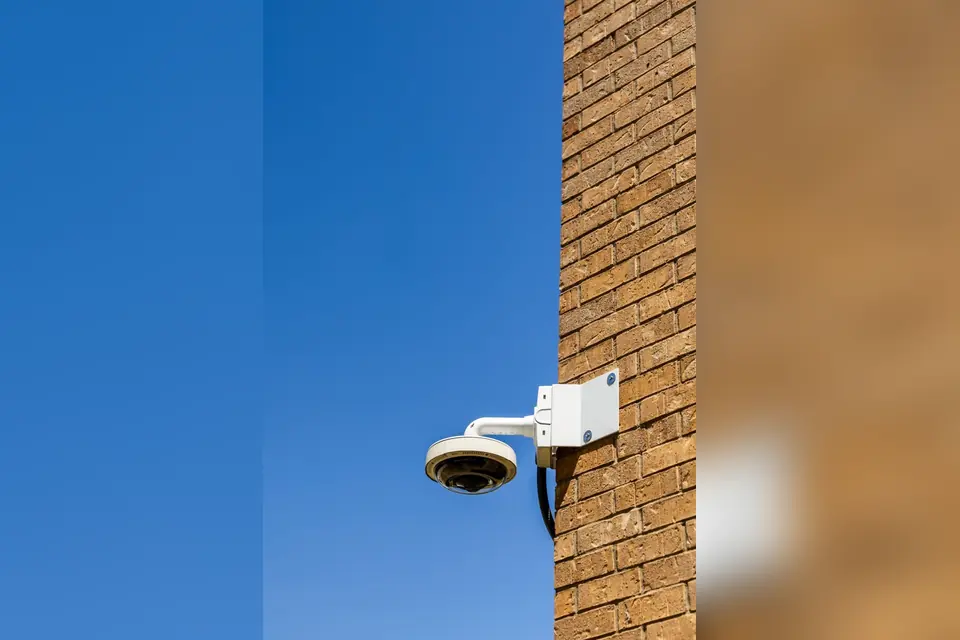

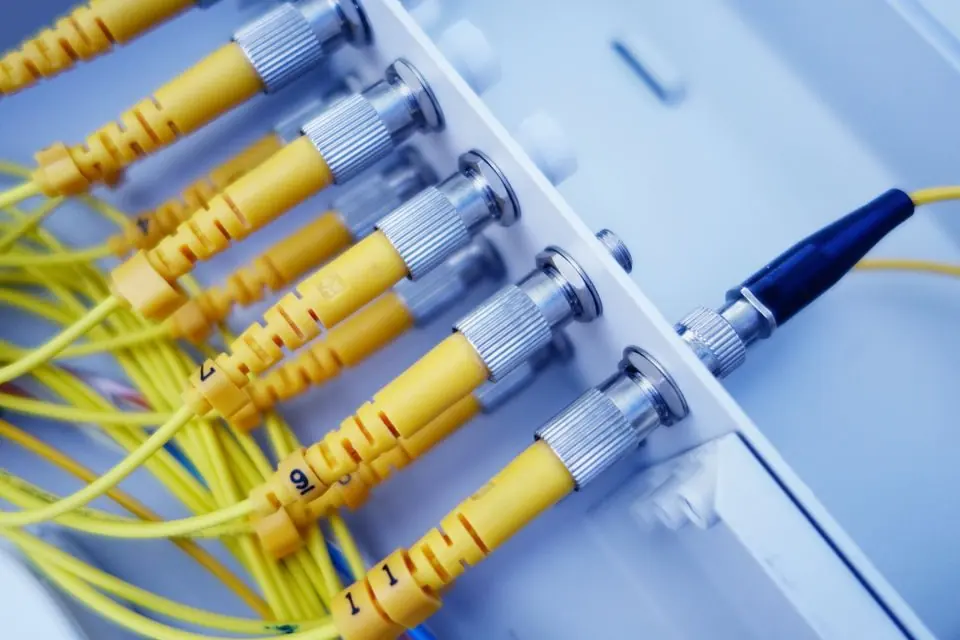
Answers to these questions help set the scope before product selection and reduce surprises during installation and handoff.
Have a building in Colorado? 1st Key stands ready and able to help. Tell us the location and what needs attention; we will confirm service availability and scope.
We can start with the current environment, its main risks and the decisions that need to be made.
Assign a facility owner to this question. Record the current workflow, desired change, dependencies and the evidence needed for acceptance.
Assign a facility owner to this question. Record the current workflow, desired change, dependencies and the evidence needed for acceptance.
Assign a facility owner to this question. Record the current workflow, desired change, dependencies and the evidence needed for acceptance.
Prepare your facility brief ↗ Understand the project process ↗