Covered inventory
Identify every covered controller, camera, panel, power supply, reader or endpoint by location and serial or device identifier.

Review system condition on a planned cadence and turn findings into repair priorities.
Greater Denver and the Front Range
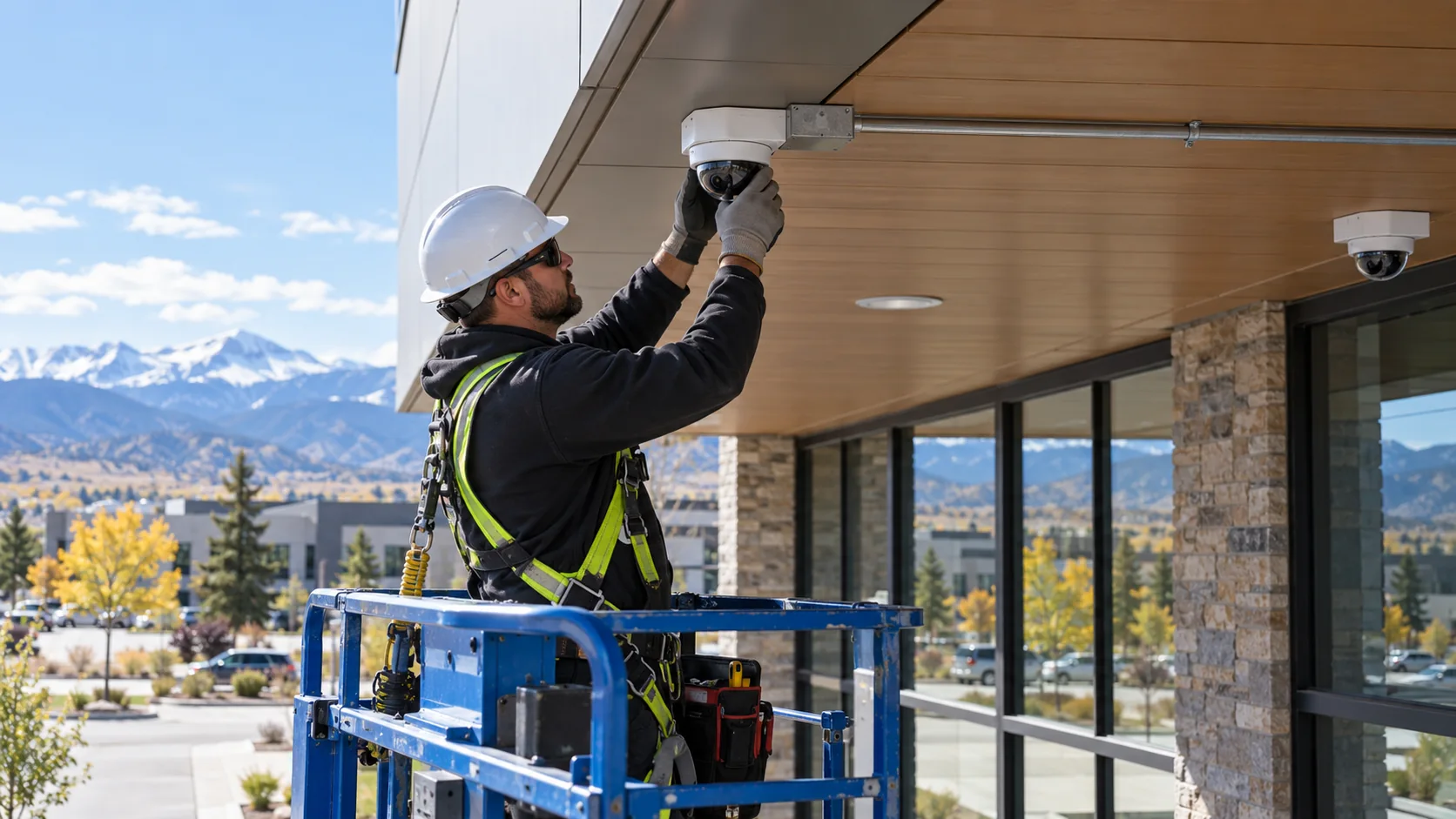
Products, interfaces and exact scope are confirmed after reviewing the facility.
The inspection scope should match the installed devices and contract; a scheduled review is different from a guarantee against every failure.
The agreement should state the covered equipment, visit frequency, tasks, exclusions and reporting format. A useful visit produces a device-level finding, a recommended corrective action and a clear distinction between maintenance and separate repair work.
Document what was checked, what could not be checked, corrective work and the next review date.
We confirm existing conditions and customer responsibilities before finalizing products, interfaces, tests and the documentation needed to support the installed system.
A useful design connects components, people, failure conditions and a testable handoff.
Identify every covered controller, camera, panel, power supply, reader or endpoint by location and serial or device identifier.
Check recording and image quality, battery and power condition, cable or enclosure damage, device faults and software health where the contract permits.
Record pass, deficiency, inaccessible equipment and deferred work separately. Rank corrective recommendations by operational consequence.
Use recurring findings to plan spares, replacements, firmware review and a more predictable capital cycle; coverage and response remain contract-specific.
Five possible applications to explore during discovery. These describe capabilities and design scenarios, not completed customer projects.
Inspect a set of critical doors for reader, lock, closer and backup-power issues.
Review camera health, recording, time sync and storage against the intended retention.
Check panel batteries and document replacements due under the service scope.
Reconcile device names and drawings after a tenant improvement.
Prioritize corrective work from a planned condition report before a failure stops operations.
Our pre-site safety review, field documentation and customer acceptance process help keep the installed condition visible to the people who will operate and maintain it. For preventive maintenance, the closeout conversation should include: Use recurring findings to plan spares, replacements, firmware review and a more predictable capital cycle; coverage and response remain contract-specific.
We ask for the existing drawings, device inventory, network and power ownership, known deficiencies and the people who will use the system. The final scope and acceptance criteria follow those answers.
| Decision | What to confirm |
|---|---|
| Scope | Confirm the devices, areas and operating modes included in the work; record exclusions. |
| Dependencies | The agreement should state the covered equipment, visit frequency, tasks, exclusions and reporting format. A useful visit produces a device-level finding, a recommended corrective action and a clear distinction between maintenance and separate repair work. |
| Handoff evidence | Use recurring findings to plan spares, replacements, firmware review and a more predictable capital cycle; coverage and response remain contract-specific. |
Have a building in Colorado? 1st Key stands ready and able to help. Tell us the location and what needs attention; we will confirm service availability and scope.
Describe the facility, the existing equipment and the outcome you need. We can discuss design, deployment or service.