Pathways and media
Size routes for present and future drops; choose copper or fiber based on distance, bandwidth, environment and separation requirements.

Build the physical pathways that connected systems depend on.
Greater Denver and the Front Range
Products, interfaces and exact scope are confirmed after reviewing the facility.
Coordinate switch ports, PoE budgets, VLANs, demarcation and device locations with the customer’s IT team.
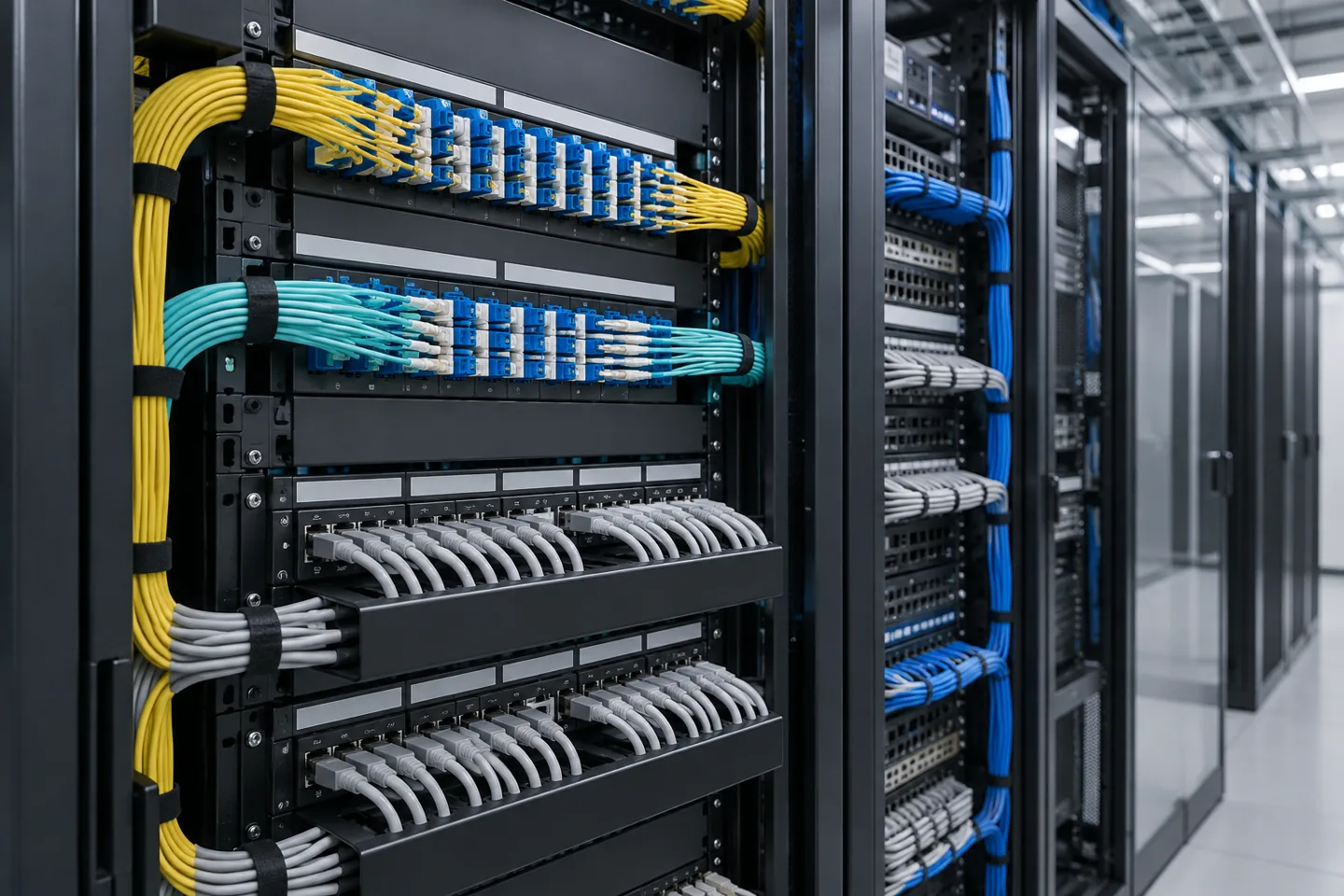
Confirm cable routes, pathway capacity, bend radius, separation, termination standards and rack space. Label both ends and record test results so a later service call can identify the exact link without tracing the building from scratch.
Leave readable labels, test reports and route records so future adds and troubleshooting are faster.
We confirm existing conditions and customer responsibilities before finalizing products, interfaces, tests and the documentation needed to support the installed system.
A useful design connects components, people, failure conditions and a testable handoff.
Size routes for present and future drops; choose copper or fiber based on distance, bandwidth, environment and separation requirements.
Plan MDF and IDF space, patch panels, cable managers, ventilation, power, grounding coordination and a labeling scheme before termination.
Coordinate switch ports, PoE draw, uplinks, VLANs and ownership of active gear with customer IT without assuming access to their network.
Certify links against the agreed category or fiber specification and deliver labeled test reports and as-builts for each accepted run.
Five possible applications to explore during discovery. These describe capabilities and design scenarios, not completed customer projects.
Build labeled Cat6A runs from a new camera wing back to a patch panel.
Install fiber between buildings with termination and link-level test records.
Reorganize an equipment rack so switch ports and endpoints can be traced.
Plan spare capacity and PoE budgets for future readers, cameras and wireless access points.
Replace damaged or undocumented cable after isolating the actual physical-link fault.
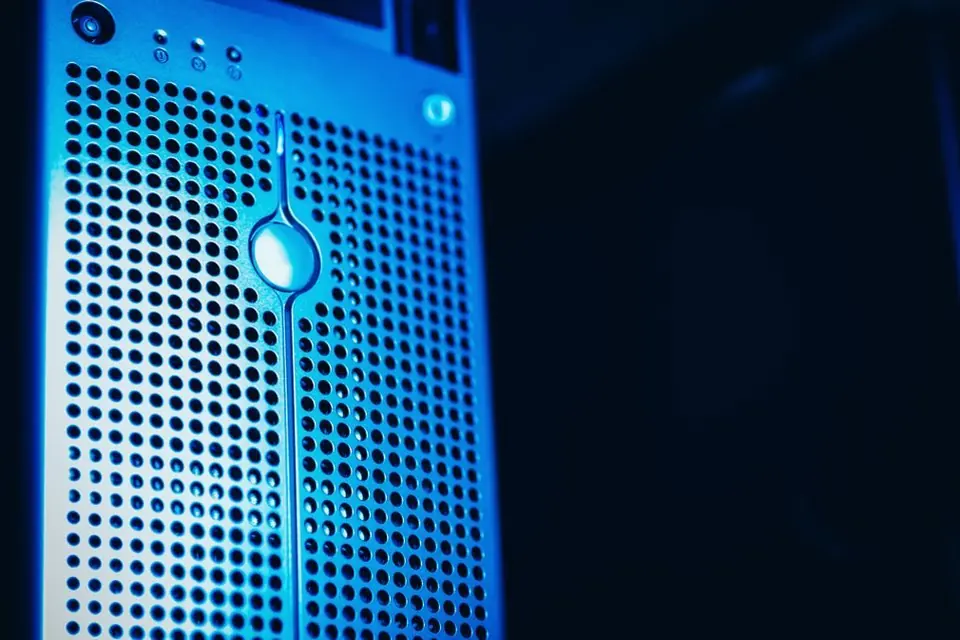
Representative equipment and working environments relevant to the scope.


Our pre-site safety review, field documentation and customer acceptance process help keep the installed condition visible to the people who will operate and maintain it. For structured cabling & fiber, the closeout conversation should include: Certify links against the agreed category or fiber specification and deliver labeled test reports and as-builts for each accepted run.
We ask for the existing drawings, device inventory, network and power ownership, known deficiencies and the people who will use the system. The final scope and acceptance criteria follow those answers.
| Decision | What to confirm |
|---|---|
| Scope | Confirm the devices, areas and operating modes included in the work; record exclusions. |
| Dependencies | Confirm cable routes, pathway capacity, bend radius, separation, termination standards and rack space. Label both ends and record test results so a later service call can identify the exact link without tracing the building from scratch. |
| Handoff evidence | Certify links against the agreed category or fiber specification and deliver labeled test reports and as-builts for each accepted run. |
Have a building in Colorado? 1st Key stands ready and able to help. Tell us the location and what needs attention; we will confirm service availability and scope.
Describe the facility, the existing equipment and the outcome you need. We can discuss design, deployment or service.